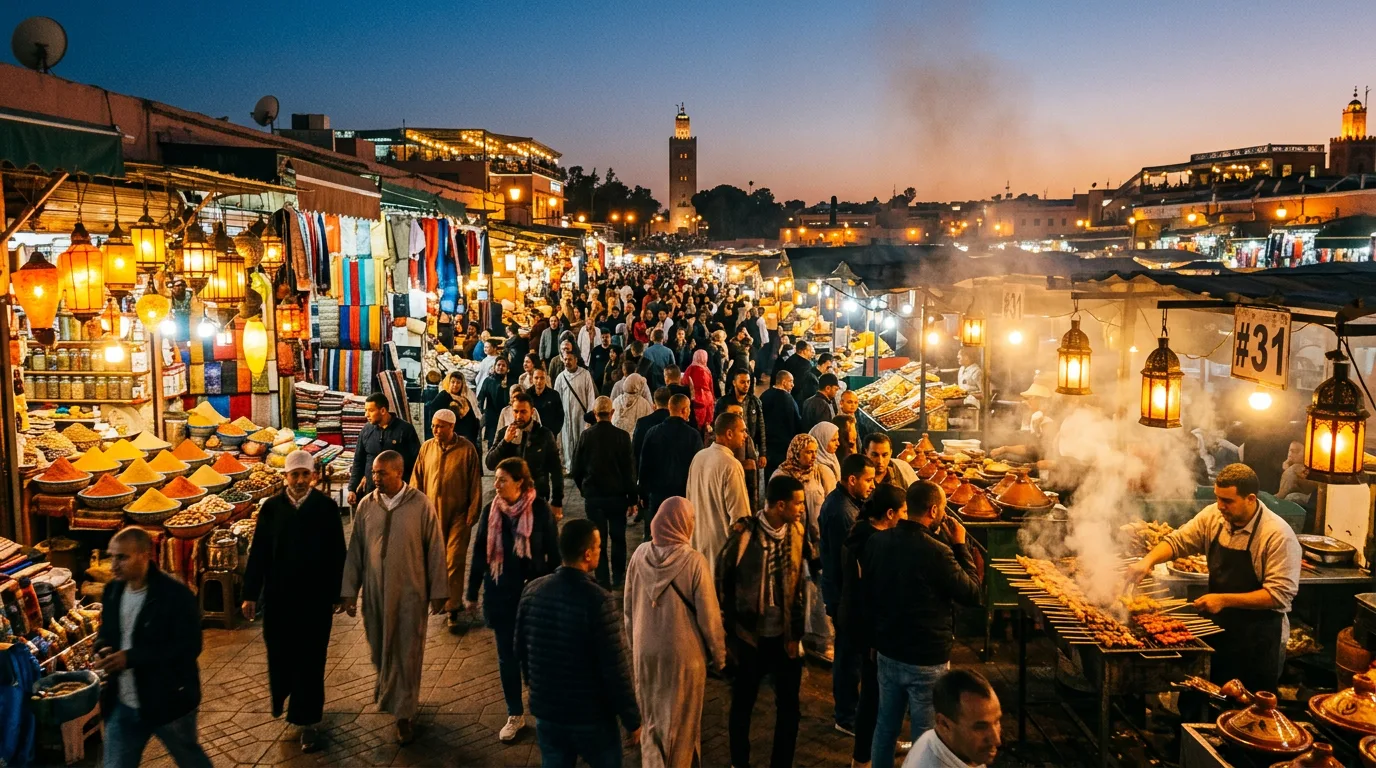
The short answer: book in advance if you have fixed dates, are travelling in a busy season, want a particular camp, or want a vetted private trip — and leave it until you arrive only if your dates are flexible, the season is quiet, you're on a tight budget and you're happy to vet an operator in person. Both routes can deliver a wonderful night on the dunes. The difference is mostly about certainty: booking ahead trades a little flexibility for a known camp, a known vehicle and a known operator, while arranging it on the ground trades certainty for the chance of a deal and a more spontaneous trip. For most visitors with a set itinerary, booking ahead is the calmer choice — here's how to decide which one fits you.
The quick verdict
If you only read one thing, read this. The two lists below cover the great majority of travellers — find the one that sounds most like your trip.
Book ahead if…
- Your travel dates are fixed and you can't easily shift them
- You're visiting in a busy season (spring, autumn, holidays)
- You want a particular camp — especially a luxury one
- You want a private trip, not a shared group departure
- You'd rather not spend holiday time shopping for a tour
You can wait if…
- Your dates are flexible and your itinerary is open
- You're travelling in a quiet season with plenty of availability
- You're on a tight budget and happy to compare deals in person
- You want to meet the operator and see the vehicle first
- You're comfortable asking the right questions before you pay
Why booking in advance usually wins
The single strongest reason is availability. The Sahara has plenty of camps, but the good ones — and especially the comfortable, well-run and luxury camps — have a limited number of tents, and in the popular spring and autumn windows they fill up well ahead of time. If you arrive hoping to grab a specific camp on a specific night in high season, you may simply find it's full. Booking ahead also lets you choose, calmly and from home, the things that shape the whole trip: a private vehicle versus a shared minibus, the exact route and the number of nights, and the standard of camp you actually want rather than whatever is left.
There's a trust dimension too. When you book ahead with an established operator you can read reviews, ask questions, and get the inclusions and the cancellation terms in writing before you commit — so there's a clear point of contact and real recourse if anything slips. And there's the simplest benefit of all: you don't burn a day or two of a precious holiday wandering between agencies comparing tours when you could already be on the road.
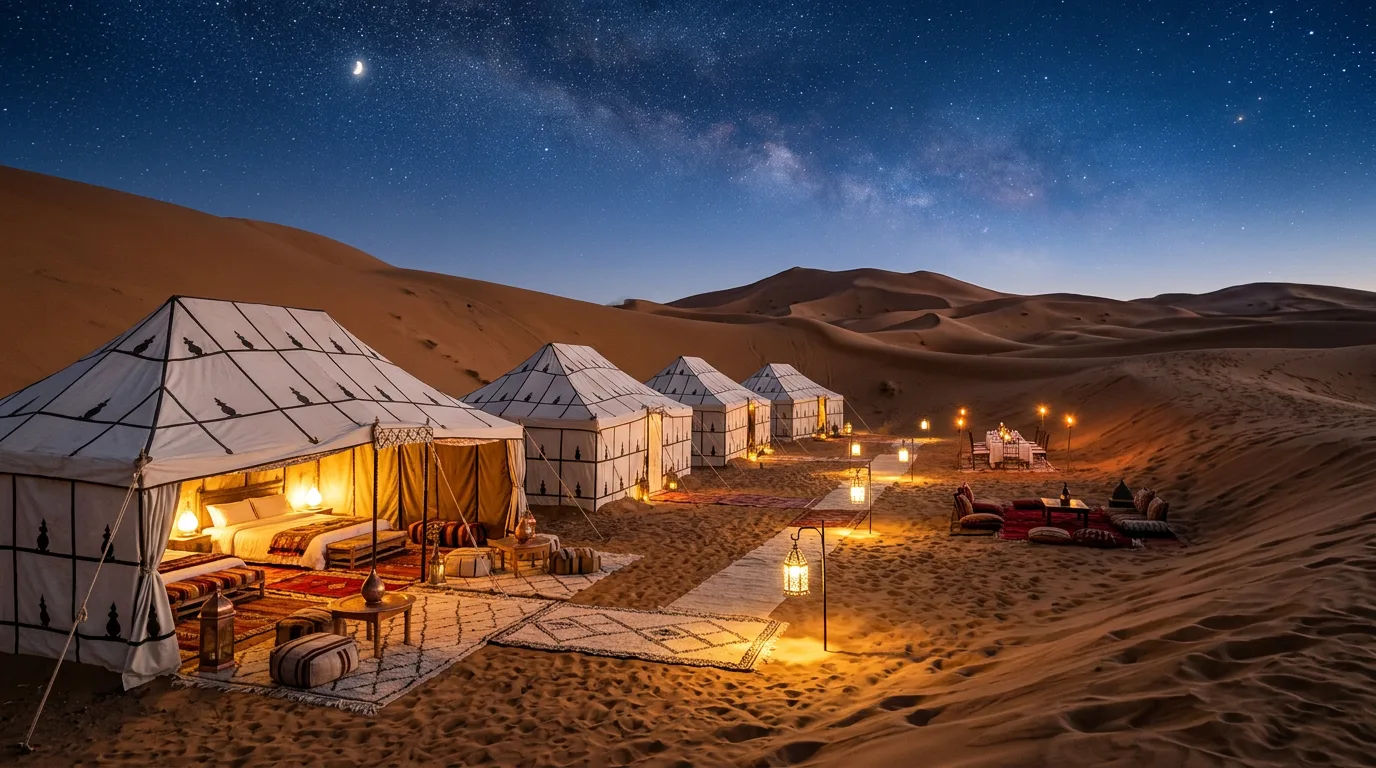
In short: booking ahead buys you choice, certainty and recourse — the right camp, the right vehicle and written terms, settled before you land.
When booking on arrival makes sense
Arranging your tour once you're in Morocco isn't a mistake — for the right traveller it's a perfectly good plan. If your dates are genuinely flexible and your itinerary is open, you lose the main downside of waiting, because you can take whatever good departure comes up rather than being tied to one night. In the quieter seasons there's usually ample availability, so you're not gambling much. And for budget travellers, booking a shared group tour in person can occasionally shave the price, especially when an operator has empty seats to fill before a departure.
Some people also simply prefer to look someone in the eye first — to meet the operator, see the vehicle, sense whether the outfit is organised before they hand over any money. That's a fair instinct, and arranging on the ground lets you do it. The catch is that you're doing your vetting under time pressure and without the benefit of reading reviews at leisure, so you have to ask good questions on the spot.
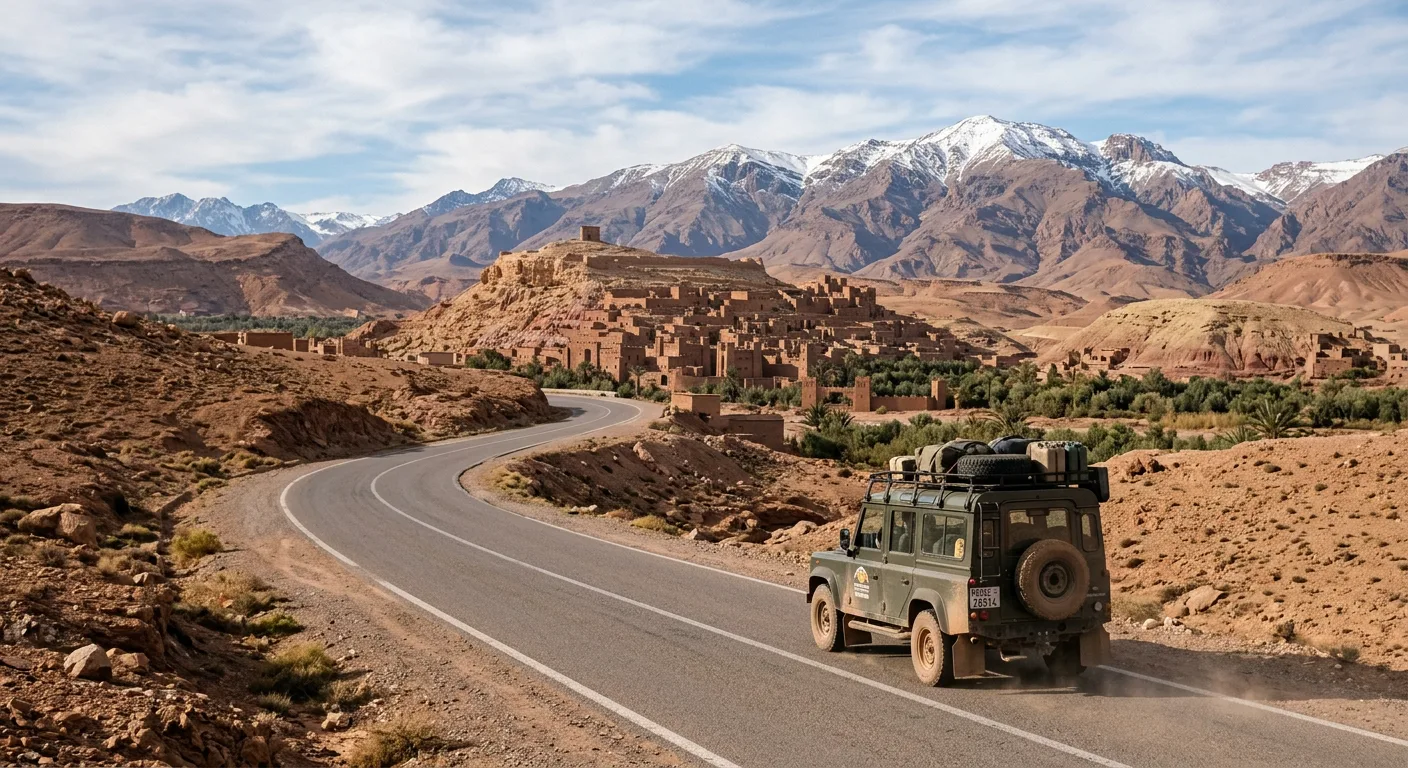
The catch with booking a tour on the street
This is the part to be honest about. Around Jemaa el-Fna and in the busier tourist lanes you'll be offered desert tours by people who are very persuasive and very vague. A spoken promise of a "luxury camp" and "private 4x4" can quietly become a basic tent and a crowded minibus once you're committed, and if there's nothing in writing you have little to fall back on. The most common disappointments aren't dramatic — they're a camp that isn't the one you pictured, a group that's bigger than expected, or "extras" that turn out to cost more on the day.
None of this means you must book from home — plenty of travellers book happily through a reputable riad or an established agency on arrival. It means you protect yourself the same way every time: get the details written down, understand exactly what's included, and don't hand a large cash deposit to someone you can't easily trace afterwards. A good operator will be glad to put it all in writing; a bad one will be reluctant, and that reluctance is your answer.
Watch for: verbal-only promises, a "luxury" camp that's never named, vague inclusions and pressure to pay a big cash deposit on the spot. If it isn't in writing, treat it as not promised.
How far ahead should you book?
There's no single number, because it depends on the season and on how specific you are. As a rule of thumb, the most comfortable shoulder-season dates and the best luxury camps get reserved weeks — sometimes a couple of months — ahead, so if your dates are fixed or you want a named camp, book early. In the quieter seasons, or for a standard shared tour, a few days' notice is often plenty. A private trip on set dates always benefits from being secured sooner rather than later. Treat these as approximate guidance rather than promises: availability genuinely shifts from one year to the next, and the only way to know for certain is to ask for your exact dates.
Rough guide: peak shoulder-season dates and top camps — book weeks ahead; quiet season or a standard shared tour — a few days can be enough; a specific luxury camp — as early as you can.
Booking ahead doesn't mean a rigid trip
A worry we hear a lot is that committing in advance locks you into a stiff, box-ticking schedule. With a good private tour it doesn't. What you settle ahead of time is the framework — the dates, the camp, the vehicle and the broad route — not every minute of every day. On the road you can still slow down for a viewpoint, linger over lunch, add a stop at a kasbah or a gorge, and shape the pace to your mood. Booking ahead simply means the important, sell-out pieces are guaranteed; the texture of the days stays yours.
Which approach suits which traveller
There's no universal right answer — only the right answer for your kind of trip. Here's how it tends to fall.
First-timers with limited days
Book ahead
A tight schedule leaves no room to lose a day finding a tour, and you get the route and camp settled before you arrive.
Families and honeymooners
Book ahead
Securing the right tents, a private vehicle and a specific camp matters more here, and those sell out first in peak season.
Luxury-camp seekers
Book ahead
The best luxury camps have limited tents and fill early — booking ahead is the only reliable way to lock one in.
Peak-season visitors
Book ahead
Spring, autumn and holiday weeks are busiest; wait too long and the strongest options are already gone.
Flexible, long-stay travellers
Either works
With open dates and time to spare you can vet operators in person and still find a good trip — book ahead only if you want a specific camp.
Budget backpackers in quiet season
Arranging on arrival is fine
A shared group tour booked in person can be cheaper when there are seats to fill — just confirm the inclusions before you pay.
What to confirm before you pay — whenever you book
This is the part that matters most, and it's the same whether you book six months out or on the morning you leave. Run through this short list and get the answers in writing before any money changes hands.
Before you pay
- The exact route and the number of nights in the desert
- Whether the tour is private or a shared group departure
- Which camp you'll stay in and what standard it is
- What's included — meals, camel trek, transfers, entry fees
- The cancellation and refund terms, in writing
- Who your point of contact is, and how to reach them
- How you pay — and never a large, untraceable cash deposit
If you're still weighing up the shape of the trip itself — how long to go for, and which desert — our guides to how many days you need for the Sahara and Merzouga vs Zagora will help you decide what to book before you decide when. For the money side, our Morocco on a budget notes and how to haggle guide are worth a read.
Our honest take
If your dates are set and the desert is a highlight of your trip, we'd book ahead with an operator you've checked out — it's the lowest-stress way to be sure of the camp, the vehicle and the people you're travelling with. If you're a flexible, budget-led traveller with time on your hands, arranging it carefully on the ground can work well and may save a little. The one thing we'd never skip, in either case, is the vetting: a few clear questions and a written confirmation are what turn a desert tour from a gamble into the trip you imagined.
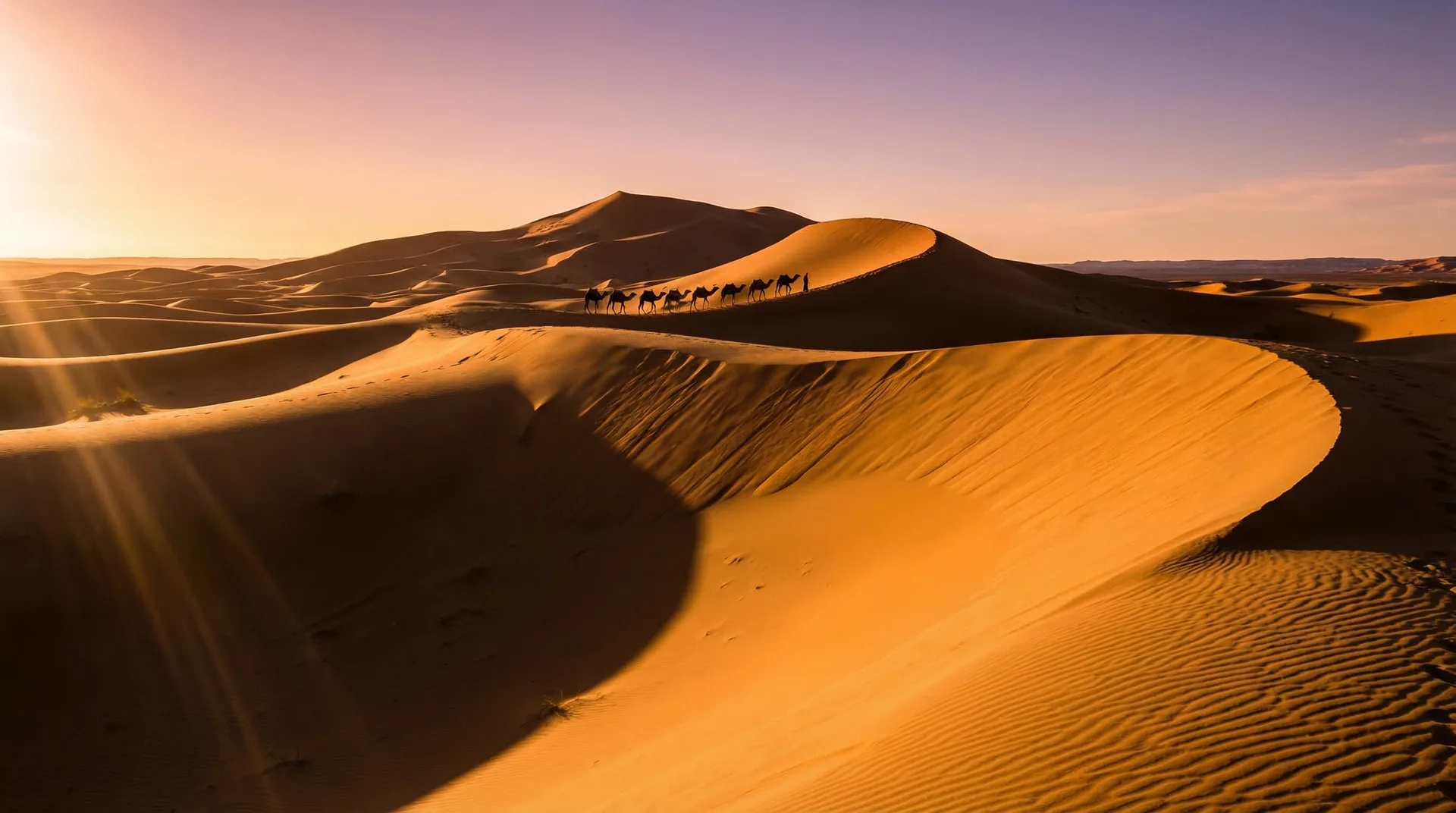
When you're ready, our 3-day Marrakech-to-Merzouga desert tour, quicker 2-day Zagora trip and remote 4-day Erg Chigaga expedition are all private and confirmed in writing — and if a particular luxury desert camp matters to you, booking ahead is how we hold it.
Frequently asked
Should I book a Sahara desert tour in advance?
For most travellers, yes. If your dates are fixed, you're visiting in a busy season, you want a particular camp (especially a luxury one), or you want a private trip with no surprises, booking ahead is the safer, less stressful choice — it locks in the camp, the vehicle and the route while you still have plenty of options. Waiting until you arrive only really makes sense if your dates are flexible, you're travelling in a quiet season, you're on a tight budget and you're comfortable vetting an operator face to face.
Is it cheaper to book a Sahara tour after you arrive in Marrakech?
Sometimes — for a basic shared group tour you can occasionally negotiate a lower price in person, particularly in a quiet season when operators have spare seats to fill. But it isn't guaranteed, and you're trading certainty for it: less choice of the best camps, no chance to research the operator beforehand, and weaker recourse if something goes wrong. Prices vary by season, group size and route, so we'd never quote a fixed figure — the honest advice is to weigh the possible saving against what you're giving up.
How far in advance should I book a Sahara desert tour?
It depends on the season and what you want. The most comfortable shoulder-season dates (roughly spring and autumn) and the best luxury camps tend to fill up weeks or even months ahead, so book early if your dates are fixed or you have a specific camp in mind. In quieter seasons, or for a standard shared tour, a few days' notice is often enough. A private trip on set dates is always worth securing sooner rather than later. These are rules of thumb, not guarantees — availability moves year to year.
Can you just turn up in Marrakech and find a desert tour?
Yes. Desert tours are sold widely — through riads, travel agencies and operators around Jemaa el-Fna — and in quieter seasons you can usually find a departure within a day or two. The trade-off is that you're vetting quality on the spot rather than in advance, and in peak season the best camps and private options may already be taken. It can work well for flexible, budget-minded travellers who are happy to ask the right questions in person.
Is it safe to book a desert tour from a street agent or your riad?
Booking through a reputable riad or an established agency is generally fine, and many travellers do exactly that. Be more careful with street touts who promise a lot verbally. Whoever you book with, confirm the details in writing: the exact route and number of nights, whether it's private or shared, which camp and what standard, what's included, and the cancellation terms. Avoid handing over a large, untraceable cash deposit to someone you can't easily trace later.
Do I need to book the desert camp separately?
Usually not — most multi-day Sahara tours include the overnight camp, the camel trek and meals as part of the package. What matters is confirming which camp and what standard, because 'desert camp' covers everything from a simple Berber tent with shared facilities to a private en-suite luxury tent. If you have your heart set on a particular luxury camp, booking ahead is the reliable way to secure it.
Ready to secure your dates?
Tell us your dates and we'll hold the right camp before it's gone.
From a flexible quiet-season trip to a sold-out spring weekend, Sahara Desert Adventures will confirm the route, the vehicle and the camp in writing — and advise honestly on whether you need to book now or can safely wait.
Plan my desert trip